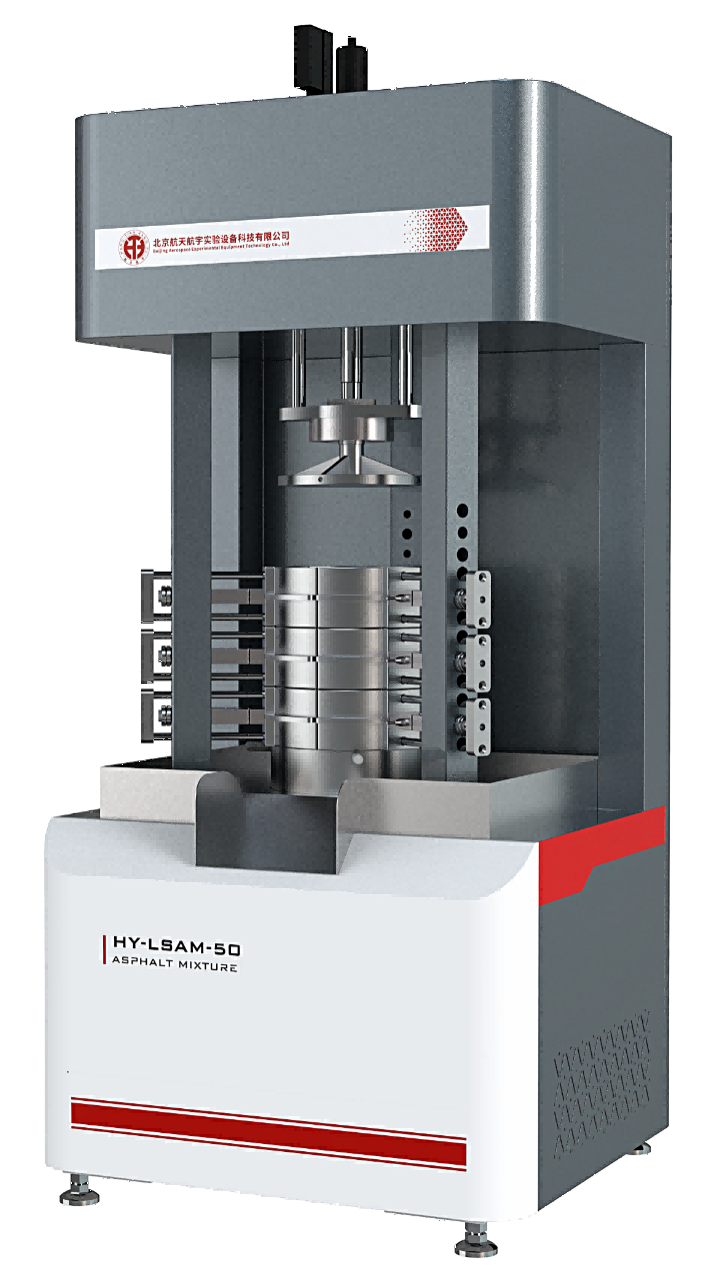
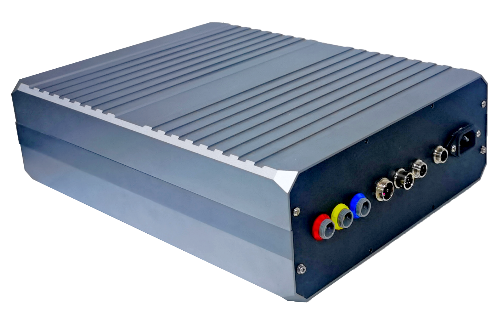
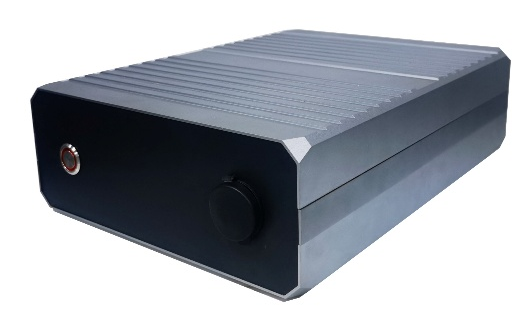
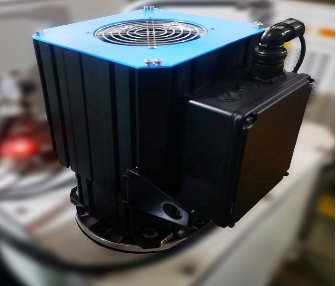
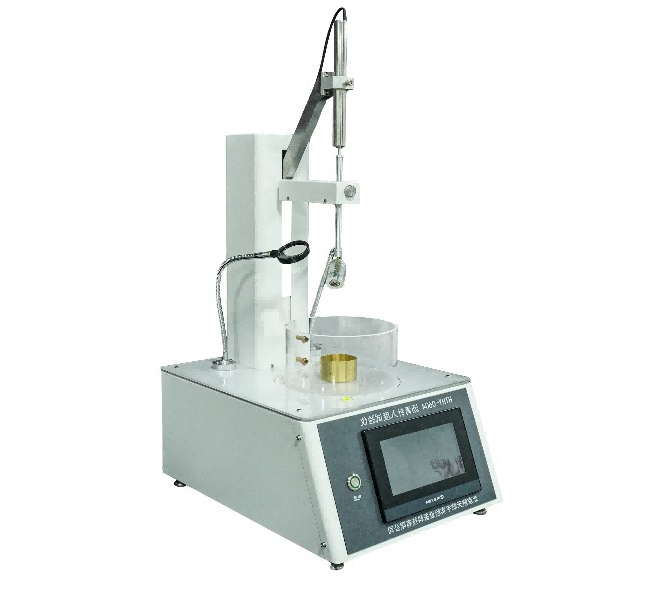
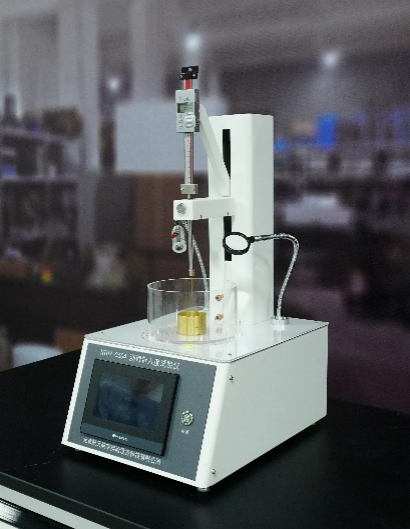
This instrument is specifically designed to study the mechanical response of large-particle-size flexible subgrade materials (such as open-graded crushed stone and large-particle-size asphalt-stabilized crushed stone) under complex loading conditions. It mainly consists of three parts: the main unit, the hydraulic system, and the control system. It precisely applies axial static and dynamic loads to a standard cylindrical specimen (Ф350mm x H500mm), and measures and analyzes the detailed axial and radial distribution of load force flow within the specimen in real time and synchronously. This method surpasses traditional uniaxial strength or modulus testing, providing crucial data support for a deeper understanding of the load diffusion mechanism, internal stress state evolution, and deformation resistance of large-particle-size flexible subgrades.
Features
- Dual load mode:
- Baseline Static Load: A static axial pressure of up to 10 kN (or higher, customized as needed) can be set and applied stably to simulate constant pressure or long-term static load on the roadbed.
- Superimposed Dynamic Load (Axial Dynamic Load): Allows setting and applying dynamic loads with adjustable frequency and amplitude, including sine, half-sine, or custom waveforms, to simulate the reciprocating impact stress caused by vehicle traffic. Dynamic load parameters (frequency, amplitude, waveform) can be precisely controlled.
- Three-dimensional force distribution measurement:
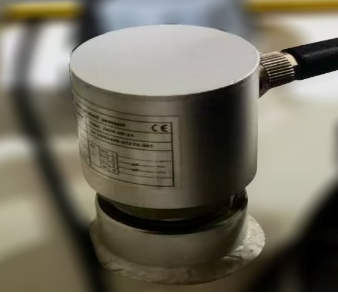
- Axial Force Distribution: Through high-precision, multi-channel axial force sensor distributed sensing technology, the axial force variation along the specimen diameter direction and the transmission and attenuation of load in the horizontal direction are continuously monitored.
- Radial Force Distribution: Pressure sensors are arranged in a 120° equidistant ring to simultaneously measure radial pressure in three orthogonal directions, monitoring the lateral expansion trend and skeleton interlocking state of the mixture under load. The development, diffusion, and non-uniformity of radial stress in the specimen under load are captured in real time. This is key to understanding the “skeleton effect” and lateral support capacity of large-particle-size materials.
- Large-size specimens:
- The specimen with a diameter of 350 mm and a height of 500 mm can accommodate aggregates with a maximum particle size of 53–75 mm (such as LSPB-25 and ATP-40 gradations), ensuring that the aggregate skeleton structure is consistent with the actual field conditions during testing and avoiding mechanical behavior deviations caused by size effects.
- Research-level precision and depth:
- This provides a deeper mechanistic basis for optimizing mixture design (gradation, asphalt content), evaluating the effects of different structural layer combinations, and predicting long-term performance (such as rutting and fatigue).
| Loading method | Servo Hydraulics | Loading waveform | sine, half sine, etc. |
| Maximum static load | 50kN, 100kN, and 150kN are available. | Loading frequency | 0.1Hz~25Hz |
| Maximum dynamic load | 5kN | Axial measurement distribution | Three floors |
| Pressure sensor range | 100kN | Radial measurement distribution | 120° distribution |
| Pressure sensor accuracy | ±1%F·S | Trial mold inner diameter | 350mm in diameter |
| Displacement sensor range | 0~100mm | Trial mold height | Maximum 500mm, multi-layer |
| Displacement sensor accuracy | ±0.05mm | Indenter size | 100mm,200mm,300mm |
| working power supply | 380V±10 50Hz (Three-phase four-wire with neutral wire) data acquisition frequency | >1kHz per channel | |
| External dimensions | 1100x1000x2330(mm) | weight | 1200kg |
control system
- The 4-axis/13-channel control system can simultaneously control 4 actuators and acquire data from 13 sensors.
- 24-bit AD conversion accuracy, combined with 8x oversampling technology, ensures high and stable data acquisition accuracy.
- It features automatic fixture identification to prevent test failures caused by software and fixture incompatibility.
- It supports multiple control modes, including stress, strain, and load holding, and can automatically switch between them, suitable for dynamic or static tests.
- The dynamic control frequency reaches up to 70Hz, supporting custom waveform outputs such as sine waves, square waves, and triangle waves.
- All test results are automatically calculated by the system, requiring no manual operation from the user.
Hydraulic system
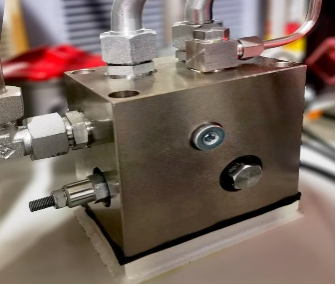
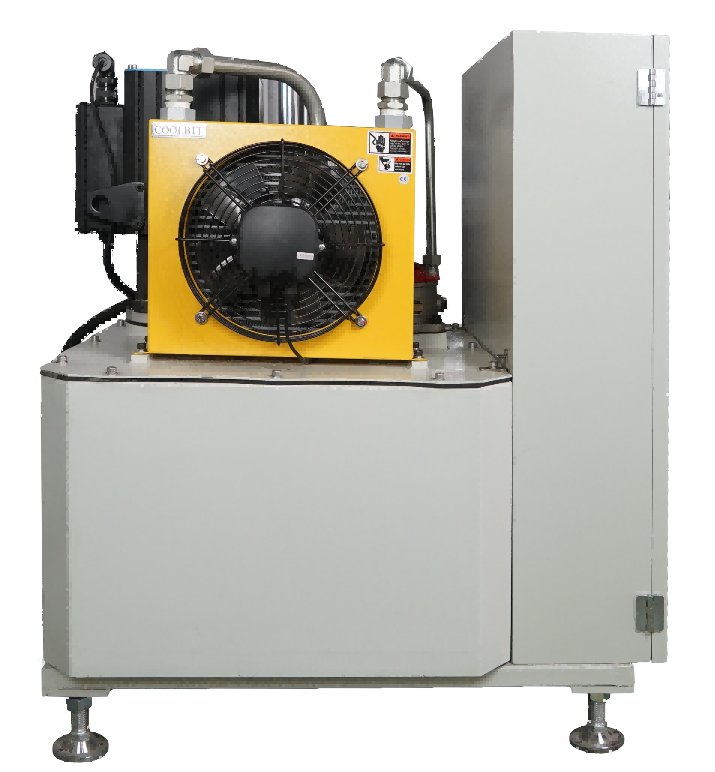
- Servo Motor Drive: Replacing the three-phase asynchronous motor with a servo motor, precise control of the pump’s torque and speed enables accurate flow and pressure supply.
- Adjustable Speed: The servo motor speed can be adjusted according to test requirements, allowing the hydraulic station to quickly respond to system load changes and effectively reduce equipment temperature and noise.
- Heated Oil Tank: Preheating the hydraulic oil during startup in low-temperature environments accelerates system response and improves test efficiency.
- Integrated Sensors: The system monitors hydraulic oil temperature in real time and implements precise control accordingly, ensuring the oil temperature remains stable within the ideal operating range. This effectively improves system performance and significantly extends equipment lifespan.
- Self-Diagnosis: Utilizing the alarm functions of various sensors, the hydraulic system achieves a leap from traditional passive fault response to proactive health management, greatly enhancing system reliability and stability.
Software Interface
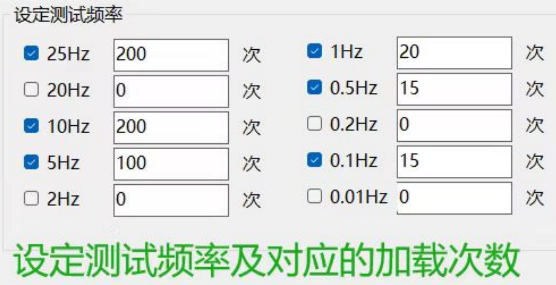
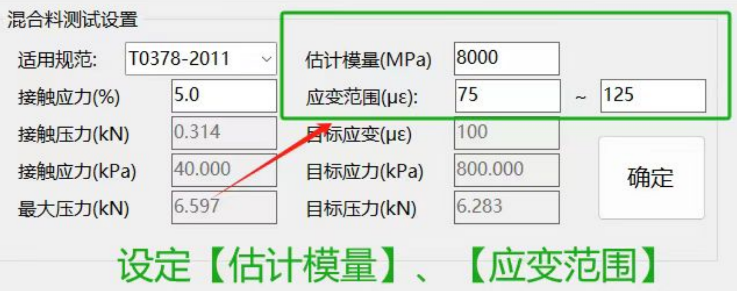
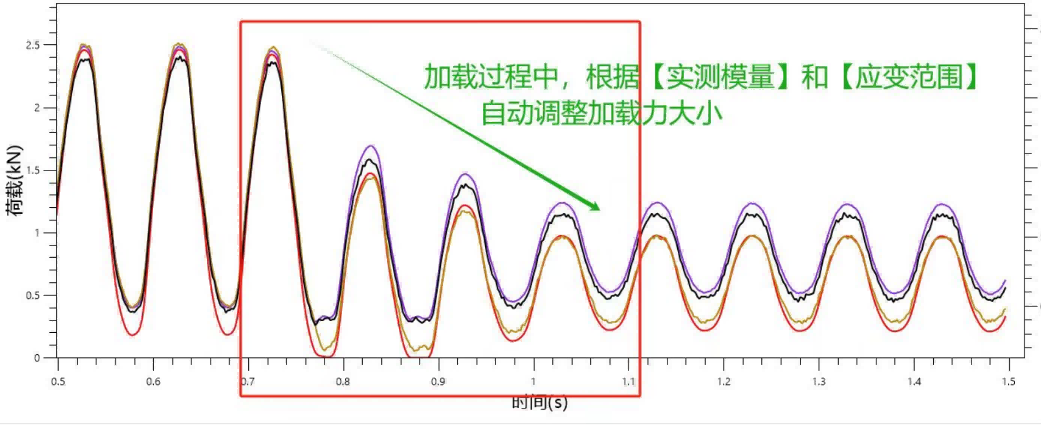
Actual road surfaces experience dynamically changing loads during vehicle traffic. Dynamic modulus testing can simulate this dynamic stress condition, obtaining the mechanical response of materials under real stress conditions. This provides a more accurate reflection of the actual performance of asphalt mixtures than static testing.
Software Advantages:
1. Automatic frequency switching
2. Automatic adjustment of pressure amplitude based on strain range
3. Automatic calculation of test results
Application scenarios
- Development and optimization of large-particle-size flexible base course (LSPB/LSAB): Evaluating the load diffusion performance, skeleton stability, and deformation resistance of materials under different gradations, binder types (asphalt, cement), and dosages.
- Performance study of open-graded crushed stone (OGS/ATP) subgrade: Analyzing the effects of particle gradation, angularity, and compaction degree on force transmission and lateral restraint, and optimizing drainage subgrade design.
- Interfacial behavior study of new and old subgrades/different materials: Analyzing stress transmission and diffusion characteristics at the interface to prevent reflective cracking and interlayer slippage.
- Simulation of subgrade dynamic response under traffic loads: Studying the influence of different vehicle types and speeds (corresponding to different dynamic load frequencies/amplitudes) on the internal stress state of the subgrade.
- Numerical model (e.g., FEM, DEM) calibration and validation: Providing detailed experimental data for establishing and calibrating more accurate constitutive models and structural analysis models of subgrade materials.